

Eurasia
Triannual analysis of Russia, Central Asia, and the post-Soviet space — covering security dynamics, energy politics, and regional integration.
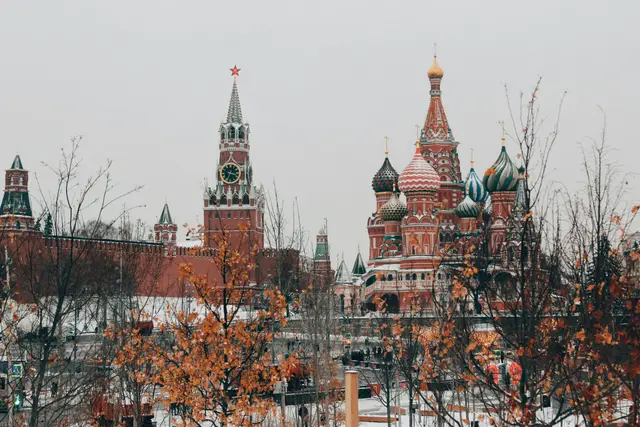
Two Paths Away from Moscow: Kazakhstan, Armenia, and the War in Ukraine
This article compares Kazakhstan and Armenia to examine how the war in Ukraine has reshaped Russian influence in the post-Soviet space. Rather than viewing Russian power as simply rising or falling, it analyzes two distinct mechanisms: Kazakhstan’s gradual, multi-vector economic and diplomatic di…
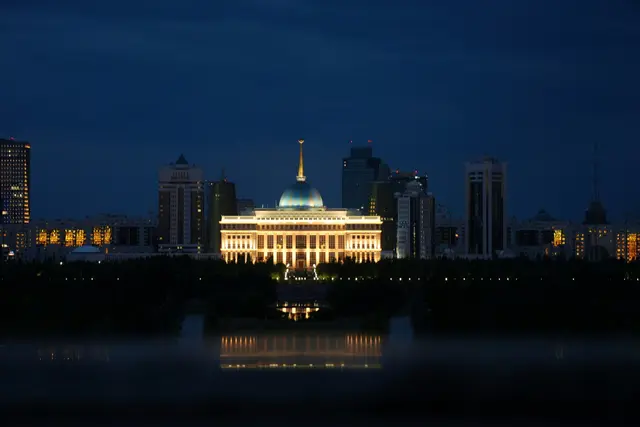
From Resource Wealth to Political Power: Kazakhstan’s Authoritarian Resilience
The case of Kazakhstan illustrates that resource wealth may contribute to the persistence of authoritarian governance without being a sufficient cause of it. Oil revenues strengthened the economic position of the state and ruling elites, while facilitating rent-seeking and patronage. However, the…
Counterterrorism in the SCO and the emergence of a Central Asian Security complex
Examining counterterrorism cooperation within the Shanghai Cooperation Organisation (SCO), this brief evaluates whether Central Asia has transitioned from a Russian-dominated subcomplex into an autonomous Regional Security Complex (RSC). It argues that shared internal security challenges and regi…
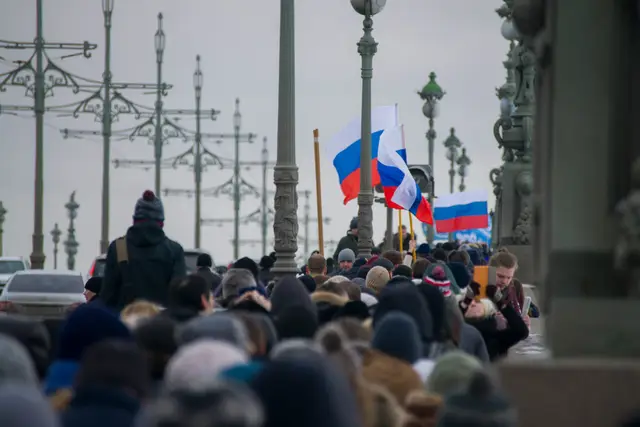
Russia’s regional recruitment economy will force Putin to get creative
This report aims at elucidating the connection between ongoing poaching and bidding-war strategies, regional fiscal strain, and a future shift towards a coercion-dependent recruitment economy.

Normalising Hardline Migration Policies: How Giorgia Meloni Mainstreamed Return Hubs
This article touches on the key changes on migration policy brought by Giorgia Meloni in the EU: Return Hubs
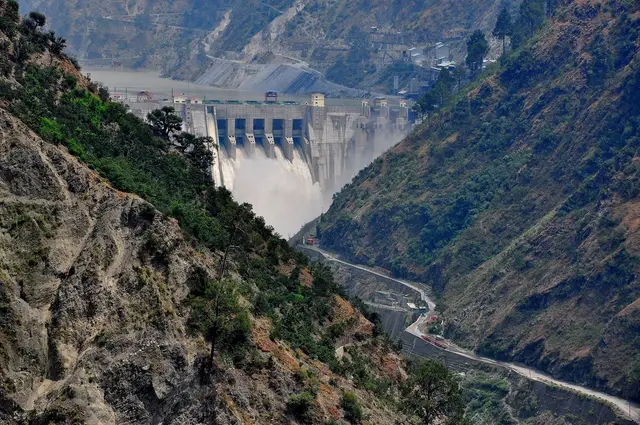
Water as Leverage: The Indus Waters Treaty as a Stress Test for Hydropolitics
The Indus Waters Treaty showed that shared rivers could survive geopolitical rivalry. India’s 2025 decision to place the treaty in “abeyance” challenges that legacy, revealing how water can become a tool of grey-zone statecraft, coercive leverage, and a precedent with consequences beyond South Asia.
One partnership – Three trajectories?
Main question: Why were the protests in Moldova (2009) and Ukraine (2014) successful, while they were suppressed in Belarus (2020)?
Cognitive Power Without Projection
Russia maintains significant influence in Eurasia mainly through informational and cognitive warfare rather than direct military power. It uses media networks, reflexive control, shared Soviet history, and anti-West narratives in post-Soviet states to shape perceptions and political decisions. Ru…
Redistributing Influence
How has the war in Ukraine transformed Russia’s influence on the Korean Peninsula? The article argues that Russia is redistributing its influence toward politically aligned and anti-Western states. The shift from South Korea to North Korea reflects a broader Eurasian realignment. The paper conclu…
Progressive EU Accession Path for Ukraine
Main question: How can the EU offer Ukraine meaningful integration benefits during a long pre-accession period without resorting to a politically accelerated membership that compromises standards? Argument: The EU should establish a “Progressive Accession” status, providing graduated Single Marke…
Central Asian Vantage Point
Main question: How can European consultancies use Central Asia strategically? Argument: European consultancies can act as institutional and informational intermediaries, helping local states and firms adopt EU-compatible standards while also gaining insight into Russia- and China-linked regional …