
Berlin Keeps a Presence Off Libya While Losing Its Voice Ashore
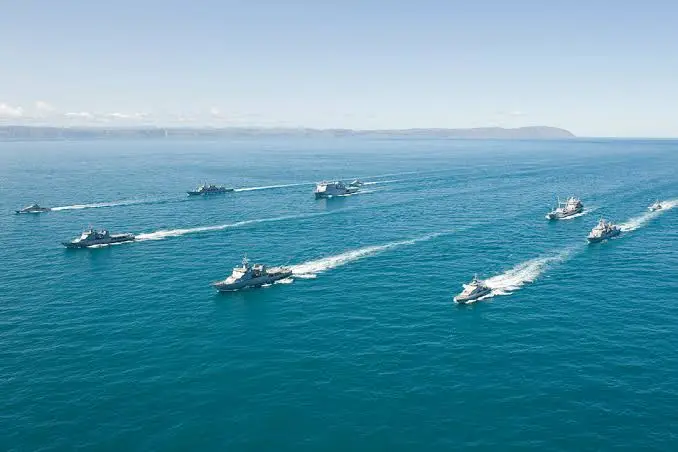
On 28 October 2026, the German cabinet approved extending Bundeswehr participation in EUNAVFOR MED Irini until 30 November 2027. The first reading began in the Bundestag on 4 November . It will include 300 personnel, including headquarters staff, maritime patrol flights and a possible ship. The mandate follows the EU’s reorientation of Irini. Since UN Security Council Resolution 2292’s inspection authorisation lapsed in May 2026, the operation can no longer board vessels to enforce the Libya arms embargo. Instead, it adds monitoring of Russia’s shadow fleet and protection of critical maritime infrastructure.
For Berlin, the renewal is a low-cost way to stay present in the Mediterranean, contributing staff and patrol aircraft, with a ship only a possibility, at a time when the Bundeswehr’s priority is NATO’s eastern flank. The new mandate suits that strategic priority: monitoring the shadow fleet that finances Russia’s war extends Germany’s Baltic posture southward, turning a Libya mission into part of its broader Russia policy and support of Ukraine.
The cost is Germany’s political role in Libya. The 2020 Berlin Conference once made Germany the convenor of Libya diplomacy, yet reunification talks are now hosted in Ankara under a US-backed plan. Without UN boarding inspection powers, Irini gives Berlin little leverage over Libyan reunification efforts.
However, the mandate’s least-noticed clause offers a way back: Irini is to create a format for Mediterranean maritime security cooperation. If Germany pushes for it to include Libya’s key external actors, it could regain a seat at the negotiating table. If not, Irini will become a Russia-monitoring mission that happens to operate off Libya. Berlin’s position on the maritime security cooperation format, and the Bundestag vote on its participation, will show whether it still has an active Libya policy.