

Human Rights & Humanitarian Aid
Defending rights, delivering hope
The Working Group Human Rights & Humanitarian Aid examines global human rights protection and humanitarian response. It analyses freedom of expression, refugee crises, and the effectiveness of international human rights frameworks. Additionally, it evaluates aid coordination in conflict zones and disaster-stricken areas. Monthly briefings provide academic insights on improving policies, strengthening accountability, and aligning humanitarian efforts with international law.

Scars Without Wounds: Cumulative Mental Harm and the Limits of IHL
One in five people who have lived through war carries a mental health condition, yet no targeting decision is ever asked to account for it. However, the law already requires parties to weigh cumulative mental harm. The rule is not missing, but right in front of our eyes.

Fewer cradles, more grey hairs: What demographic change means for human rights in Europe
Europe faces declining fertility, population ageing and population decline. These trends put pressure on labour markets, healthcare, pensions and welfare systems and therefore affect human rights, particularly social security, health and an adequate standard of living. Ultimately, adaptive measur…

Drone Warfare & Technology: A New Humanitarian Frontier
Drones are changing how warfare is fought, and this is opening up new areas of concern for humanitarian efforts.
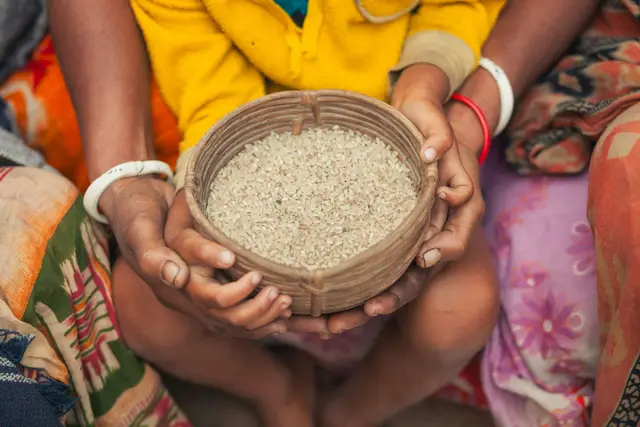
Humanitarian Aid and Artificial Intelligence: Where is Social Justice?
Humanitarian action and ai in a world of changes. Humanitarian aid and ai in a complexity way of bureaucratization
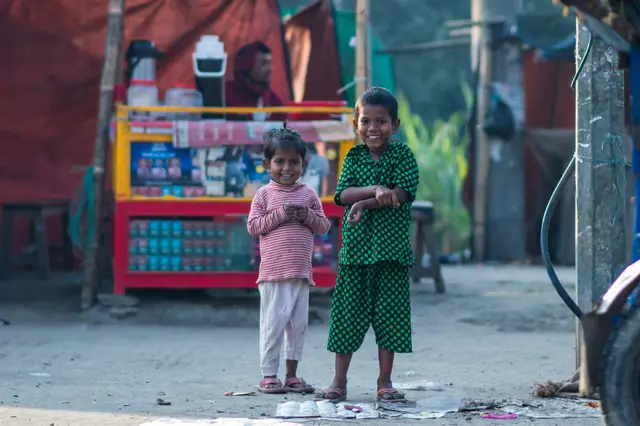
The Real Street Law: Child Beggars, Daras, and Politics in Senegal
Amid the streets of Dakar, thousands of Talibé children endure forced begging, exploitation, and institutional neglect under the guise of traditional Quranic education. This article explores the complex web of Senegalese politics, Sufi religious influence, and cultural traditions that perpetuate …
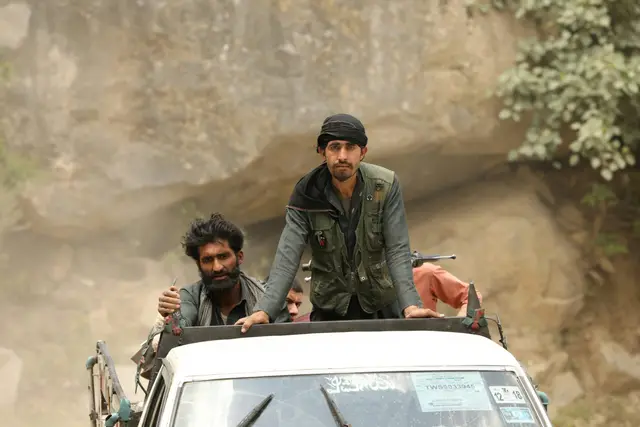
EU Engagement in Afghanistan: Balancing Aid and Human Rights
Five years after the Taliban’s takeover, Afghanistan faces a severe humanitarian crisis alongside systemic human rights violations. This brief examines the EU’s dilemma: delivering vital aid under Taliban rule without conferring political legitimacy. It argues for structured access arrangements a…
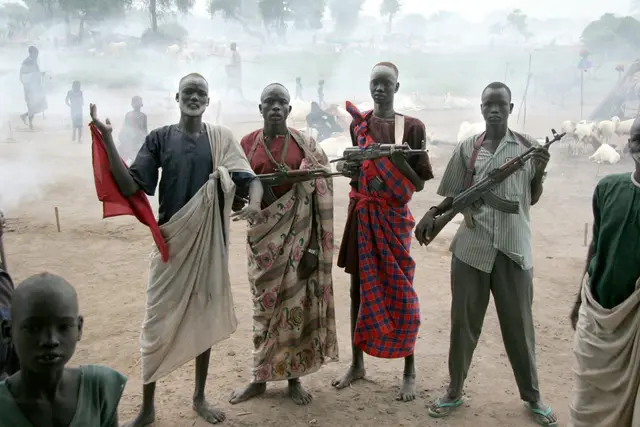
‘Forced Fighters’: Russia’s Deceptive Recruitment Operations in Africa
Since launching a devastating war in Ukraine, Russia has suffered significant casualties, leading to the exploitative and inhumane policy of deceitfully recruiting African citizens into the Russian army. Stopping this exploitation, however, will require more than just condemning the Kremlin.

The Berlin Pride Attack and the Migration Myth
The Berlin Pride attacker was German-born, yet right-wing populists blamed migration. Drawing on research into migration and terrorism, this article shows why the attack points to domestic radicalisation, not a “Trojan horse”, and why integration remains part of effective security policy.

The Next Stage: Migration & Futuro Nazionale
The emergence of Futuro Nazionale represents not only another far right party in Italy, but also a new era of European migration politics, wherein securitization of migration has become so normalized that political contestation now centers on who takes the hardest line against immigration.

Human Rights & Aid in Post-Conflict MENA
In an interview with EPIS, Dr. Moosa Elayah examines why stopping a war isn’t the same as achieving peace.

It’s a (Wo)Men’s World
Gender equality requires more than formal rights. The article argues that workplace culture, leadership norms, and hidden barriers must be actively challenged to achieve lasting progress.

The Paradox of Tunisia’s Arab Spring
The Jasmine Revolution showed that lasting democracy depends not only on constitutional reform but also on strong institutions, accountability, and socioeconomic progress.

Community‑Run Aid Networks in Yemen
How have community‑run aid networks adapted to Yemen’s blockade? They have responded to severe limits on movement, resources, and access by decentralizing decisions, building local supply chains, strengthening community trust, and adopting flexible management.

When Humanitarian Aid Becomes a Crime
Thematic Working Group Briefs – 2026 When Humanitarian Aid Becomes a Crime Across Europe, people who provide life-saving humanitarian assistance are increasingly at risk of being treated as criminals (PICUM, 2026). Gaps in the EU Facilitation Directive (2002), left by the vague definition of huma…

Eyes from above
Is it possible or necessary to use satellites to prevent human trafficking and forced labour? Yes it is necessary, as this allows us to identify and combat the structures that enable such practices more quickly. There is still a great amount of work to be done before this idea can be put into pra…
Constitutional Identity in EU Membership
Main question: How can the EU ensure candidate states align with its core values when accession mainly measures legislative compliance rather than constitutional culture? Argument: The EU should introduce a Constitutional Identity Convergence Assessment (CICA) to evaluate candidates’ highest cour…

Breaking Down Structures of Dependency
How should the humanitarian sector adapt to the funding cuts of USAID — differentiate funding, cooperate with locals more, and more flexibility — dependency relationships are dangerous and new (flexible) mechanisms must be put in place

Follow Lithuania: Not only words, but also deeds
To what extent can Lithuania’s values-based foreign policy serve as a model for the EU? Lithuania demonstrates that a consistent values-based foreign policy is feasible in practice, but its long-term effectiveness depends on sustained support from allies and the ability to act autonomously in a c…

At Europe’s Door: Italy’s Migration Crisis
How does Italy’s bilateral agreement with Albania fit within the broader EU migration framework? The protocol is innovative because it maintains full Italian jurisdiction on Albanian soil, avoiding burden-shifting while managing migration pressure. Despite its legal creativity, the agreement face…

Rhetoric Over Rules: EU Migration Crisis
To what extent does anti-migrant rhetoric in Hungary and Poland undermine EU migration solidarity under the 2024 Pact? Both governments use securitisation rhetoric to normalise non-compliance, deepen the East-West divide, and obstruct the Pact’s 2026 implementation. Without stronger enforcement o…