


This article examines whether the EU’s e-evidence package has finally solved the cross-border evidence problem or relocated it from diplomatic exchange to corporate compliance, with fundamental rights caught in between.

Analyzing Articles 8a, 12g, and 12gb of EU Regulation 833/2014, this brief examines how the European Union enforces anti-circumvention…

Examines whether the Nuctech order gives foreign undertakings adequate procedural safeguards under the EU Foreign Subsidies Regulation, or…

This article examines whether the human oversight obligations for high-risk systems under Article 14 of the EU AI Act effectively protect…

The EU’s accelerated border procedure raises concerns that short appeal deadlines and limited suspensive effect may undermine the practical…

Can the proposed EU–Thailand FTA prevent regulatory competition through weaker environmental protection? This article tests the published…

The DSA’s procedural mechanisms are useful, especially where abusive conduct can be clearly classified as illegal content.

The Gambia v. Myanmar marks the third state-to-state genocide claim to reach the International Court of Justice, forcing the Court to rely…

If jurisdiction is confined to the horizontal dimension, the individual cannot invoke its absence; the question then shifts to the vertical…
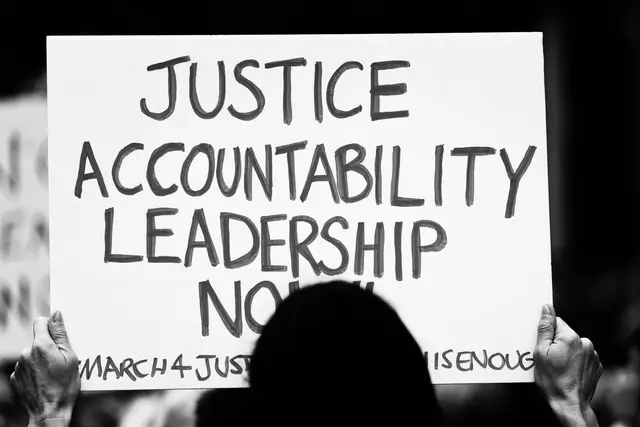
The United States imposed a new round of sanctions on the ICC, more specifically on President Tomoko Akane and Senior Lawyer Abdoulaye…

Article 50 of the EU AI Act introduces transparency obligations for certain providers and deployers of AI systems. From 2 August 2026, AI…
Publication formats supporting legal scholarship, case analysis, and accessible commentary on developments in international law.
Specialised research groups producing long-form legal analyses each semester across eight domains of international law and comparative jurisprudence.
Apply for EPIS Fellowship to gain access to working groups, peer review processes, and publication in the EPIS Magazine and beyond.