

Eurasia
Russia, Central Asia, and the post-Soviet space — security dynamics, energy politics, and regional integration.
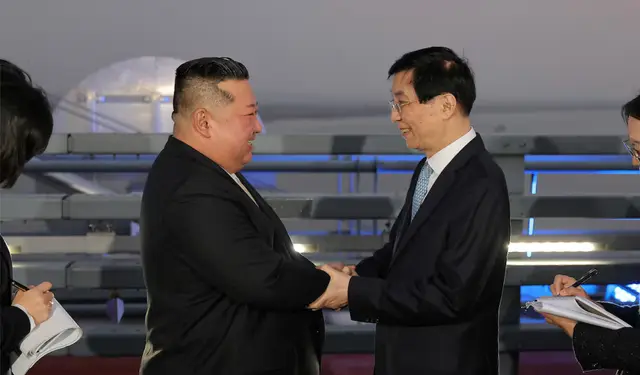
North Korean Leader Kim Jong Un Conducts Unexpected Visit to China
Kim Jong Un returned from a spontaneous one-day-visit to a Korean War memorial in the Chinese border city of Dandong on Sunday, 25th of October.
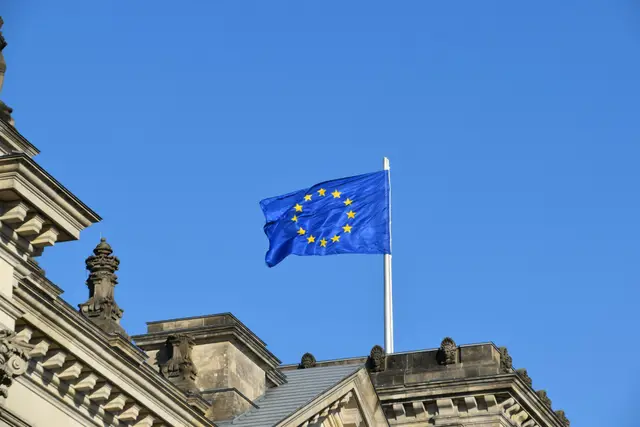
Ready for the Grey Zone? Assessing EU and NATO Response to Russian Hybrid Threats in the Baltics
This article examines how NATO and the EU could prevent, detect and respond to Russian hybrid threats in the Baltic states, focusing on sabotage, cyberattacks, disinformation and military incursions. It identifies coordination, attribution and decision-making as Europe’s main challenges and propo…
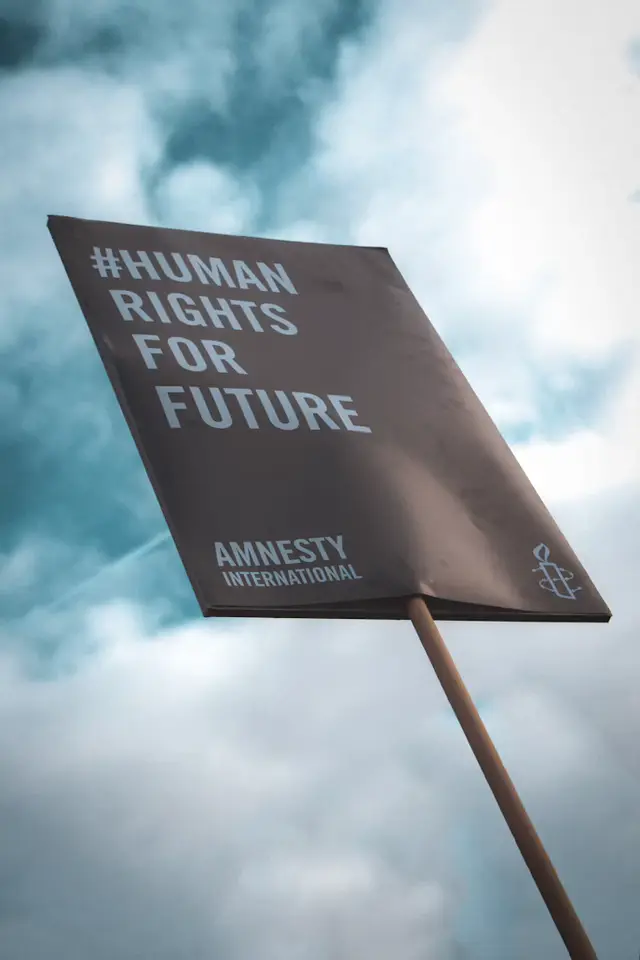
Linguistic Human Rights – A Form of Decolonial Resistance?
This article argues that linguistic human rights (LHR) should be recognised as a central component of the contemporary human rights regime and as a tool to challenge prevailing colonial hierarchies in language and human rights politics. Drawing on Spolsky’s language policy model, the article exam…
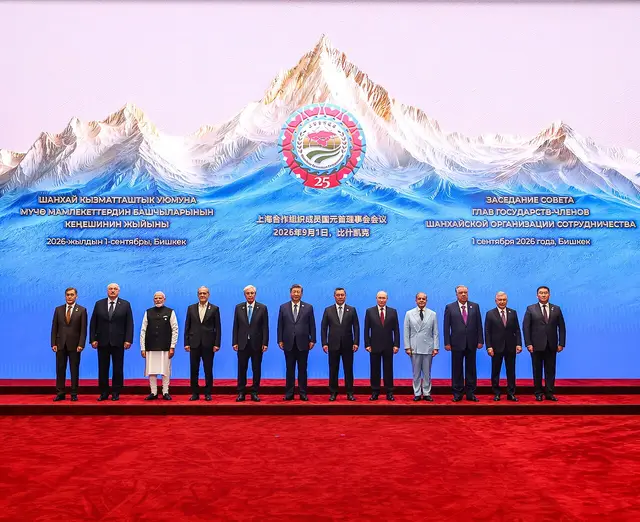
Unity Without Alignment: What the Bishkek Summit Reveals About the SCO
The 2026 SCO Summit in Bishkek offered a fresh illustration of a longstanding feature of the organisation: its members pursue very different foreign-policy priorities, yet still cooperate on sovereignty, economic ties and opposition to unilateral coercion. Rather than forming a cohesive geopoliti…
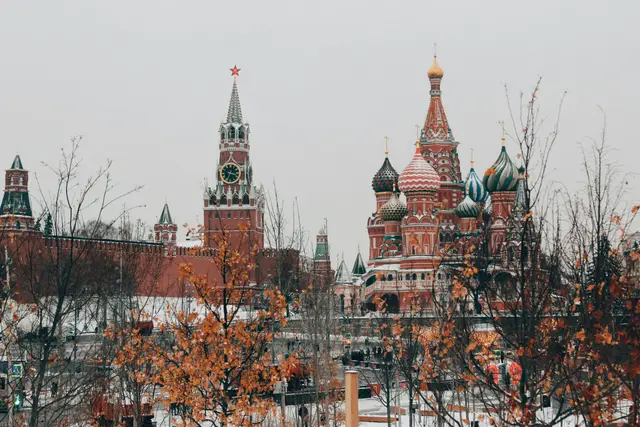
Two Paths Away from Moscow: Kazakhstan, Armenia, and the War in Ukraine
This article compares Kazakhstan and Armenia to examine how the war in Ukraine has reshaped Russian influence in the post-Soviet space. Rather than viewing Russian power as simply rising or falling, it analyzes two distinct mechanisms: Kazakhstan’s gradual, multi-vector economic and diplomatic di…
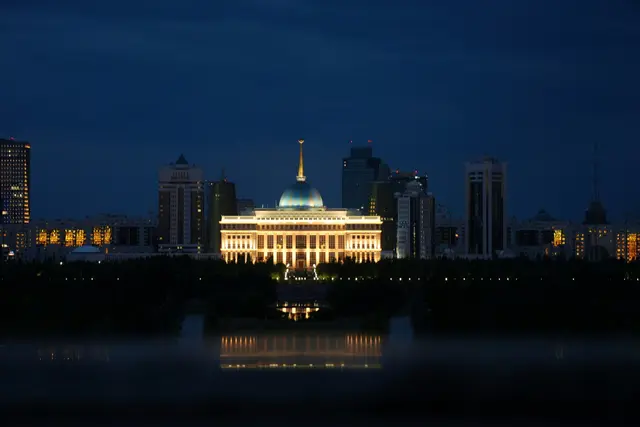
From Resource Wealth to Political Power: Kazakhstan’s Authoritarian Resilience
The case of Kazakhstan illustrates that resource wealth may contribute to the persistence of authoritarian governance without being a sufficient cause of it. Oil revenues strengthened the economic position of the state and ruling elites, while facilitating rent-seeking and patronage. However, the…
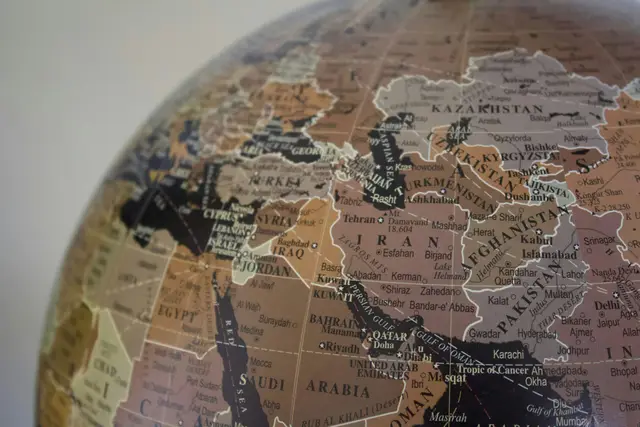
One Year of TRIPP: Geopolitical and Strategic Implications
Marking one year since the historic Washington summit, this brief examines the progress and strategic implications of the Trump Route for International Peace and Prosperity (TRIPP). It analyzes how the project connects Armenian-Azerbaijani normalization with broader Eurasian connectivity, while w…

Counterterrorism in the SCO and the emergence of a Central Asian Security complex
Examining counterterrorism cooperation within the Shanghai Cooperation Organisation (SCO), this brief evaluates whether Central Asia has transitioned from a Russian-dominated subcomplex into an autonomous Regional Security Complex (RSC). It argues that shared internal security challenges and regi…
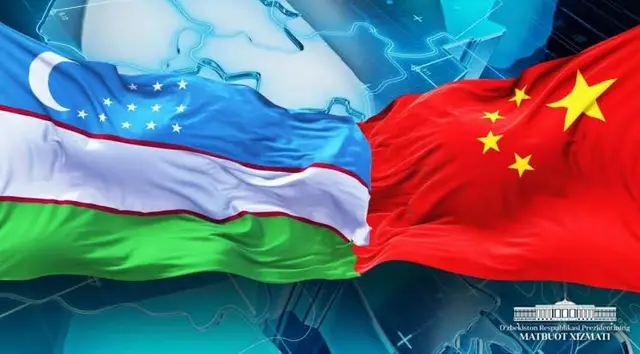
Uzbekistan’s Purchase of Chinese J-10CE Jets and its Compatibility with Foreign Policy Ambitions
Uzbekistan’s purchase of Chinese fighter jets indicates diversification from historical military reliance on Russia and aligns with a regional push for new security guarantees and partnerships.
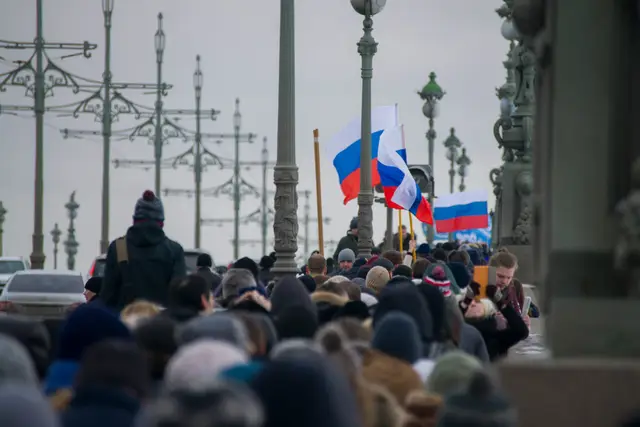
Russia’s regional recruitment economy will force Putin to get creative
This report aims at elucidating the connection between ongoing poaching and bidding-war strategies, regional fiscal strain, and a future shift towards a coercion-dependent recruitment economy.
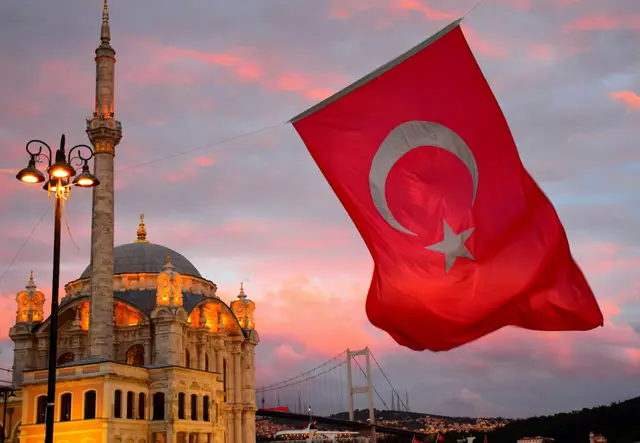
Why Türkiye Should Join the ICC: The Case for Accountability
Türkiye demands international criminal accountability abroad while remaining outside the ICC itself. As pressure on the Court grows, Ankara should reconsider whether staying out still serves its interests.

Normalising Hardline Migration Policies: How Giorgia Meloni Mainstreamed Return Hubs
This article touches on the key changes on migration policy brought by Giorgia Meloni in the EU: Return Hubs

The Evolution of Ukrainian Intelligence: From Adaptation to Autonomy
Since 2014, Ukraine has transformed its intelligence services amid Russia’s aggression, strengthened by U.S. support and CIA cooperation. Uncertainty after Trump’s 2025 return pushed Ukraine to expand partnerships, boost self-reliance, and build a more resilient intelligence system.
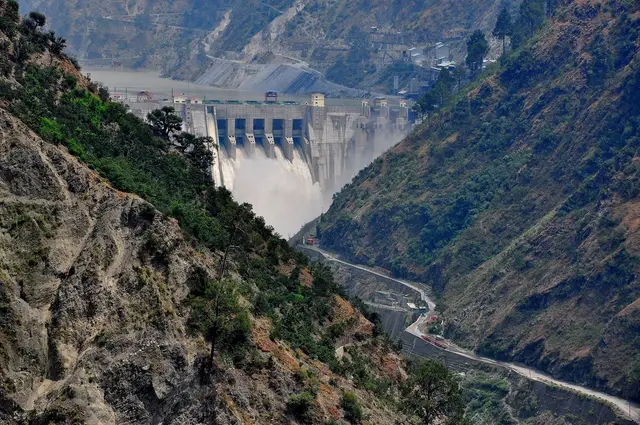
Water as Leverage: The Indus Waters Treaty as a Stress Test for Hydropolitics
The Indus Waters Treaty showed that shared rivers could survive geopolitical rivalry. India’s 2025 decision to place the treaty in “abeyance” challenges that legacy, revealing how water can become a tool of grey-zone statecraft, coercive leverage, and a precedent with consequences beyond South Asia.