

All Publications

African Science Diplomacy: From Fragmentation to Integration
Africa’s scientific landscape remains fragmented. This brief explores how science diplomacy, research mobility, shared infrastructure and continental funding could build a more connected African research ecosystem.

Can an EU–Thailand FTA Stop a Race to the Bottom?
Can the proposed EU–Thailand FTA prevent regulatory competition through weaker environmental protection? This article tests the published EU provisions against Thailand’s blackchin tilapia crisis.

Projectifying the CAP: Performance-Based Environmental Governance
This paper examines the CAP’s New Delivery Model through the lens of projectification, highlighting how performance-based governance and decentralised flexibility may constrain long-term environmental transformation.
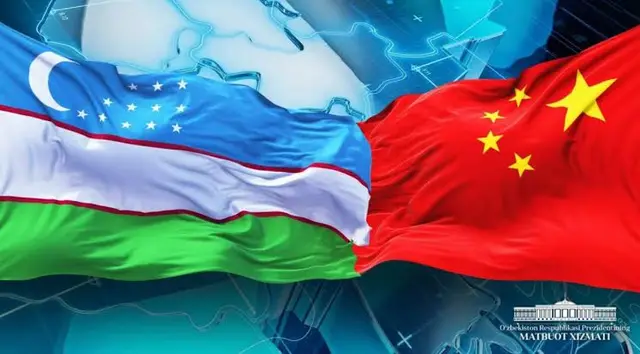
Uzbekistan’s Purchase of Chinese J-10CE Jets and its Compatibility with Foreign Policy Ambitions
Uzbekistan’s purchase of Chinese fighter jets indicates diversification from historical military reliance on Russia and aligns with a regional push for new security guarantees and partnerships.

The Digital Services Act & Gender-Based Harassment
The DSA’s procedural mechanisms are useful, especially where abusive conduct can be clearly classified as illegal content.

Indivisible but Not Identical: A conversation with Dr. Eva Pejsova
Dr. Eva Pejsova analyzes the evolving security relationship between NATO and its Indo-Pacific partners (IP4), focusing on Japan’s role, maritime security, and practical defense ties.

The Gambia v. Myanmar: Reconciling Standards of Genocidal Intent
The Gambia v. Myanmar marks the third state-to-state genocide claim to reach the International Court of Justice, forcing the Court to rely on UN Fact-Finding Mission investigative material rather than prior criminal convictions.

Russia’s regional recruitment economy will force Putin to get creative
This report aims at elucidating the connection between ongoing poaching and bidding-war strategies, regional fiscal strain, and a future shift towards a coercion-dependent recruitment economy.

Justification of Taxes Towards Jurisdictions and Individuals
If jurisdiction is confined to the horizontal dimension, the individual cannot invoke its absence; the question then shifts to the vertical relationship and to the substantive theory of the state.

Sanctioning International Justice: The ICC and the Limits of State Power
The United States imposed a new round of sanctions on the ICC, more specifically on President Tomoko Akane and Senior Lawyer Abdoulaye Seye. This article explores the legal basis of those sanctions, while posing important questions about its long-term effects on international law.

The Eastern Air Defence Corridor for a Safer Europe
Europe’s fragmented air defence arrangements leave its eastern flank vulnerable to Russian and Iranian aerial attacks. The Eastern Air Defence Corridor proposes integrating the air defence capabilities of six eastern and southeastern European states into a single regional architecture.

NATO Summit in Ankara
The 2026 NATO Summit in Ankara marked a shift toward “NATO 3.0,” focusing on increased defence spending and burden-sharing. Key outcomes included U.S. plans to lift sanctions on Türkiye, 70 billion dollars in aid for Ukraine, new multinational defence deals, and heightened tensions over Greenland.
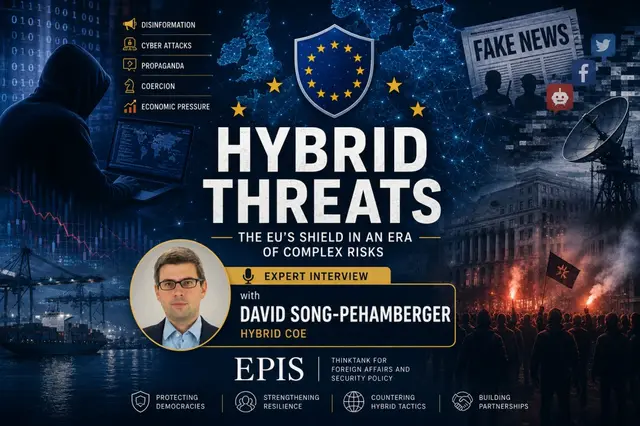
Countering Hybrid Threats in the Grey Zone
As hybrid threats increasingly challenge Europe’s security and democratic resilience, David Song-Pehamberger of Hybrid CoE explores the evolving threat landscape, the EU’s response, and how Europe can strengthen its resilience in an era of complex risks.

Beyond Compliance: Building 360-Degree Cyber Resilience for Society
Cyber threats are evolving and making resilience more important than ever. This article explores how EU regulations and directives strengthen preparedness, response and accountability through a 360-degree approach to cyber resilience.

Musk, Trump, and Weidel: How US Influence Is Reshaping Germany’s Far Right
The alliance of Musk, Trump, and the AfD shifts foreign influence from covert tactics to open platform amplification. This public model uses algorithmic promotion to bypass old regulations, creating a new framework for leveraging foreign influence in upcoming European elections.
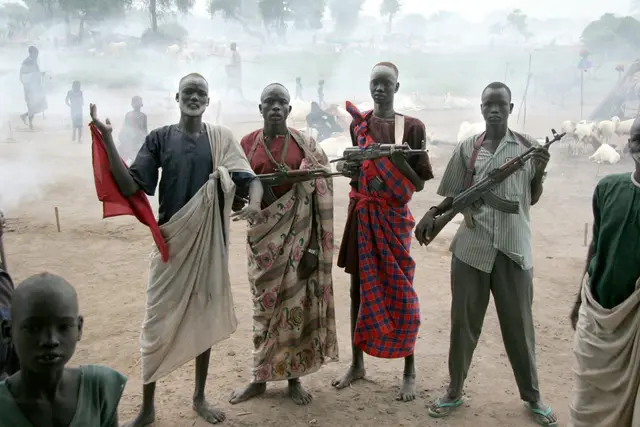
‘Forced Fighters’: Russia’s Deceptive Recruitment Operations in Africa
Since launching a devastating war in Ukraine, Russia has suffered significant casualties, leading to the exploitative and inhumane policy of deceitfully recruiting African citizens into the Russian army. Stopping this exploitation, however, will require more than just condemning the Kremlin.

When Hospitals Become Frontlines: The Collapse of Healthcare in Sudan
Sudan’s collapsing health infrastructure is more than a humanitarian tragedy: it is a growing security risk. As hospitals, laboratories and supply chains are destroyed or seized, the country is losing the capacity to detect disease, protect civilians and contain crises before they cross borders.

One Crisis, Two Europes: Ceuta and the Politics of Solidarity
Ceuta exposes a tension at the heart of EU migration governance. The EU can formalise responsability-sharing, but its political meaning remains contested among Member States.
Europe’s Skynet: Inside the EU Parliament’s Divisive Chat Control Vote
The European Union is struggling to answer one of the information-era dilemmas: for the sake of security, what’s the line of negotiation for privacy exceptionality? The “Chat Control” package may set a precedent in blurring the line of EU citizens’ right of private communications.

The Faye-Sonko Split: Senegal’s Vulnerability to Jihadist Spillover
After PASTEF won Senegal’s 2024 elections, the party has been in deep crisis. A political stalemate between President Faye and former PM Sonko risks diverting attention from the threat of terrorist spillover from Mali, which jihadist groups could exploit to expand into Senegal.