

Peacekeeping & Conflict Prevention
UN and regional peacekeeping mandates, early warning systems, mediation frameworks, and post-conflict reconstruction.
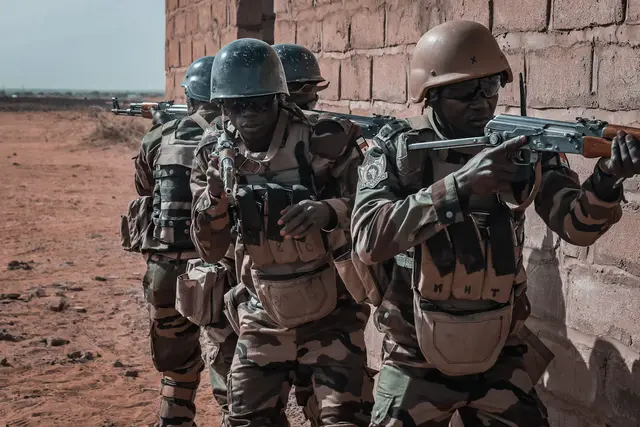
From Intervention to Withdrawal of the Operation Barkhane
The end of Operation Barkhane marked more than a French withdrawal from the Sahel. Hansika Baldwa shows how a crisis of legitimacy and the limits of military force gave way to a sovereignty-first, multipolar security order.

Defunding the Peace: The DPPA Financing Crisis and UN Diplomacy
The UN’s Department of Political and Peacebuilding Affairs (DPPA) is repeatedly missing its voluntary funding targets, which constrains global conflict prevention. While global military spending surged to an estimated $2.9 trillion in 2025, the DPPA’s budget shortfalls limit crucial mediation and…
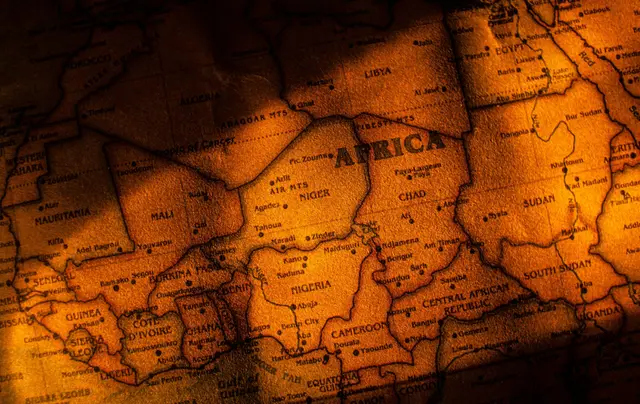
Peacebuilding and Conflict Prevention in the Horn of Africa
This article examines how IGAD and the African Union integrate gender into peacebuilding and conflict prevention in the Horn of Africa. Despite strong Women, Peace and Security frameworks, institutional resistance, inadequate funding and coordination problems hinder implementation. Through cases …

The Eastern Mediterranean’s New Security Architecture
The Eastern Mediterranean is witnessing the emergence of overlapping security partnerships. This article explores whether these networks strengthen regional resilience or contribute to fragmentation, and what this changing security architecture means for the European Union.
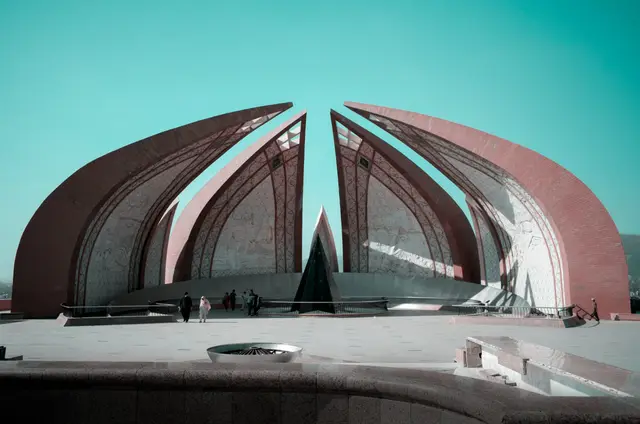
The Unfinished Deal: Why the Islamabad Memorandum Failed and Prospects for a US-Iran Agreement
This article investigates why the Islamabad Memorandum failed to pave the way for regional military de-escalation and what are the prospects for a future US-Iran agreement. It focuses on strategic culture as a driver of conflict and its impact on peace negotiations.
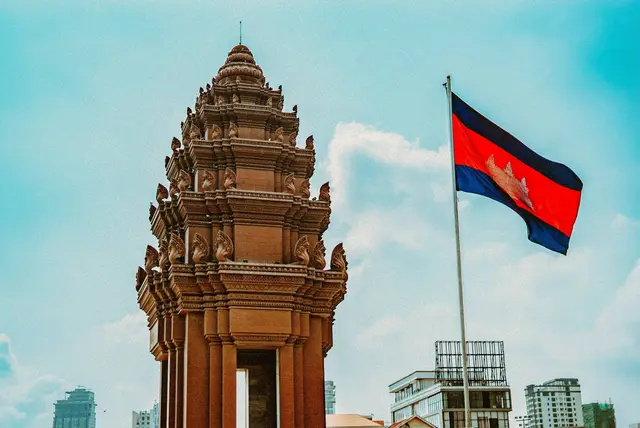
When Foreign Peacekeeping Contests Sovereignty: Cambodia and UNTAC
Despite the positive intention of UNTAC, its extensive range of authorisation can also be interpreted as an international interference over Cambodia’s domestic affairs under the Westphalia understanding of sovereignty.
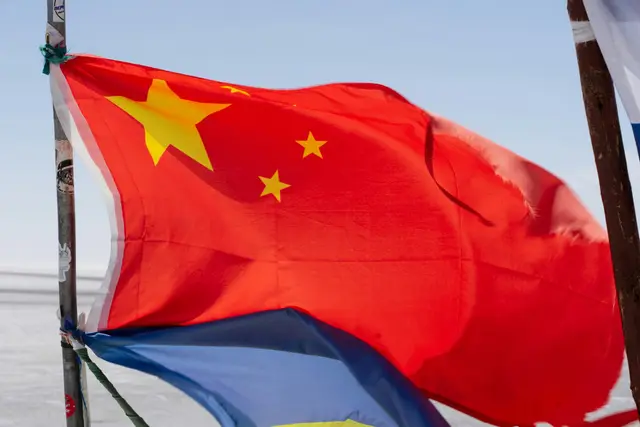
UN Peacekeeping as a Site of Contestation: China and the Reshaping of the Global Order
This brief examines China’s evolving role within UN peacekeeping as a window into the emerging multipolar order. Rather than outright rejection, China engages in contested multilateralism—selectively challenging liberal priorities, conditionality, and interventionism from within. By championing s…
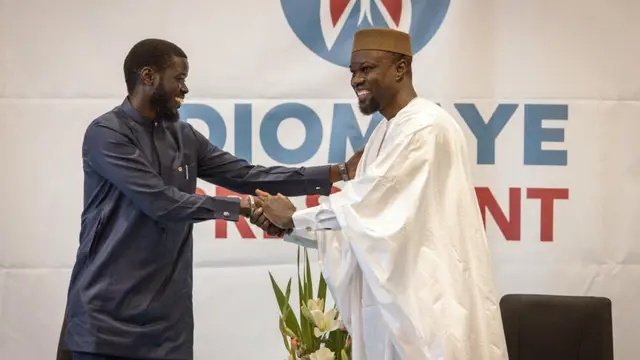
The Faye-Sonko Split: Senegal’s Vulnerability to Jihadist Spillover
After PASTEF won Senegal’s 2024 elections, the party has been in deep crisis. A political stalemate between President Faye and former PM Sonko risks diverting attention from the threat of terrorist spillover from Mali, which jihadist groups could exploit to expand into Senegal.

The EU and the Limits of Mediation
Recent years have witnessed a resurgence of explicit interstate military conflicts, as geopolitical tensions increasingly develop into direct confrontations. The Russia–Ukraine war represents the defining conflict of this period and serves as the foundation for this paper.
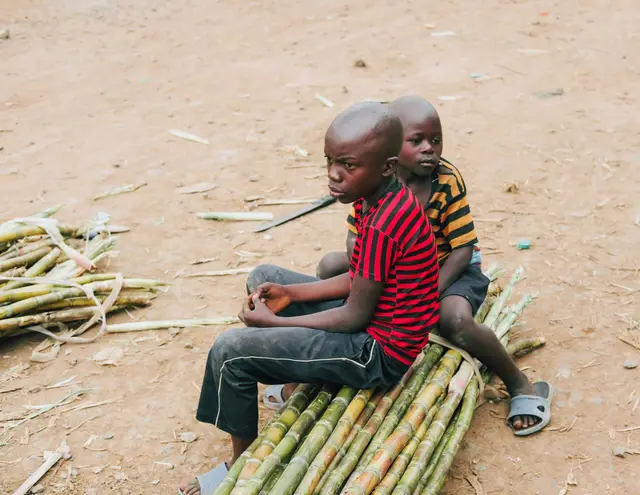
Child Recruitment in the DRC: MONUSCO and the Structural Legal Limitations of UN Peacekeeping
MONUSCO’s structural limitations lie less in gaps of internal doctrine but more in a fundamental mismatch between the tools available to a peacekeeping mission and a conflict environment increasingly driven by non-state actors operating beyond the practical reach of those tools.
Beyond Traditional Peacekeeping: NATO’s Inclusive Security Agendas in Iraq
How are military alliances adapting to today’s complex conflicts? Using NATO Mission Iraq as a case study, this article explores how Women, Peace and Security and Human Security are reshaping peacekeeping through more inclusive and resilient approaches.

The IDSF on security challenges in the Middle East
According to IDSF, Israel’s security relies on national resilience, technological innovation, and regional partnerships, while deradicalization remains essential for long-term Middle East stability.

The Unfinished Peace
Northern Ireland shows that peace is not the absence of conflict but the ability to manage political and social divisions without returning to violence.

What It Takes to Build Peace Today
In this guest contribution, Chris Coulter, Executive Director of the Berghof Foundation, examines how we can move beyond short-term deterrence to build lasting peace through local ownership, impartiality, women’s meaningful participation, societal trust, and adaptive mediation.
Ignored Warnings, Repeated Shortcomings
The EU’s inaction during the 2008 Russo-Georgian War institutionalised the failure of conflict prevention, creating the conditions for the 2022 invasion of Ukraine. Driven by path-dependent reliance on Moscow for energy security and incoherent foreign policy among its member states, the EU pursue…
A Sectoral Roadmap to EU Integration
Main question: How can the EU advance cooperation and prevent loss of influence in Georgia, given structural incompatibility, political ambiguity, and dependence on Russia? Argument: The EU should apply gradual sectoral integration, prioritising energy independence, cultural networking, and regu…

Rethinking Contemporary Peacebuilding
Main question: How can peacebuilding move beyond rigid approaches to create an inclusive and sustainable peace? Contemporary peacebuilding is framed by concepts which exclude local communities and organizations, thus, we need to ensure their inclusion in peace process on all stages and with full …
Iranian Resistence between Opression and War:
1. Sanaie links her family’s persecution to support for the NCRI and its vision of a secular democratic Iran. 2. She says protests are driven by repression, economic crisis, and violent state crackdowns. 3. Sanaie rejects foreign intervention and monarchy restoration, arguing only organized inter…

The Crisis in Cabo Delgado: Why Mozambique Matters
A forgotten humanitarian crisis with deepening roots Rwanda’s intervention is strategically self-serving, not purely altruistic A new, fragmented security order is emerging in Africa

Anglophone Conflict in Cameroon
Historical roots driving a neglected conflict Structural silencing keeps the crisis hidden International complicity dims the spotlight further