

Peacekeeping & Conflict Prevention
Triannual reports on UN and regional peacekeeping mandates, early warning systems, mediation frameworks, and post-conflict reconstruction.


Latest Articles of This Group
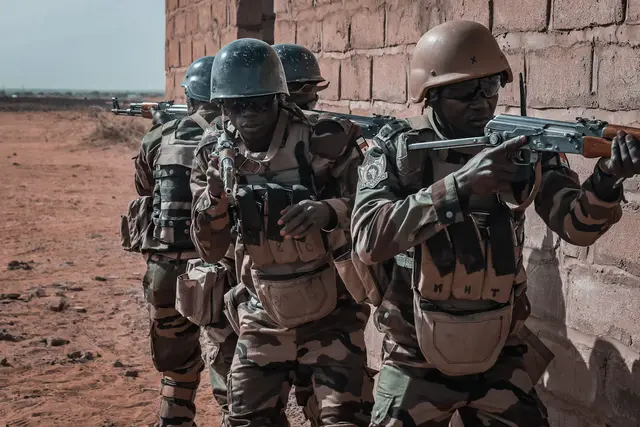
From Intervention to Withdrawal of the Operation Barkhane
The end of Operation Barkhane marked more than a French withdrawal from the Sahel. Hansika Baldwa shows how a crisis of legitimacy and the limits of military force gave way to a sovereignty-first, multipolar security order.

Defunding the Peace: The DPPA Financing Crisis and UN Diplomacy
The UN’s Department of Political and Peacebuilding Affairs (DPPA) is repeatedly missing its voluntary funding targets, which constrains global conflict prevention. While global military spending surged to an estimated $2.9 trillion in 2025, the DPPA’s budget shortfalls limit crucial mediation and…
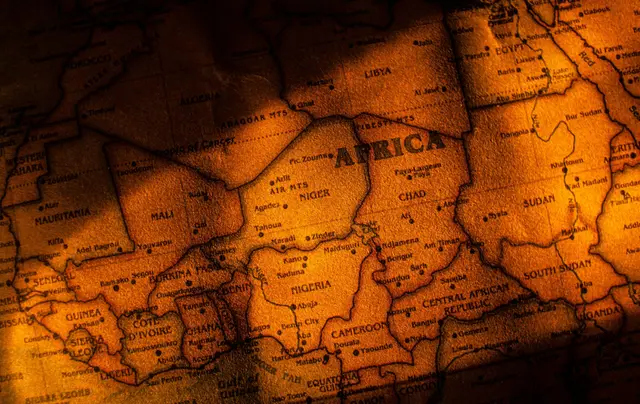
Peacebuilding and Conflict Prevention in the Horn of Africa
This article examines how IGAD and the African Union integrate gender into peacebuilding and conflict prevention in the Horn of Africa. Despite strong Women, Peace and Security frameworks, institutional resistance, inadequate funding and coordination problems hinder implementation. Through cases …
UN Peacekeeping as a Site of Contestation: China and the Reshaping of the Global Order
This brief examines China’s evolving role within UN peacekeeping as a window into the emerging multipolar order. Rather than outright rejection, China engages in contested multilateralism—selectively challenging liberal priorities, conditionality, and interventionism from within. By championing s…
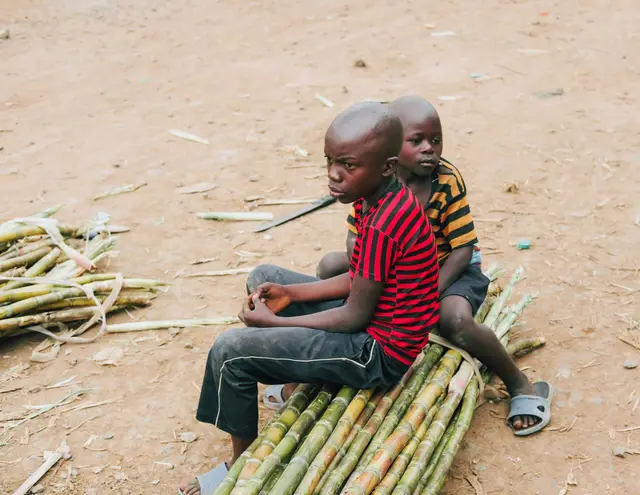
Child Recruitment in the DRC: MONUSCO and the Structural Legal Limitations of UN Peacekeeping
MONUSCO’s structural limitations lie less in gaps of internal doctrine but more in a fundamental mismatch between the tools available to a peacekeeping mission and a conflict environment increasingly driven by non-state actors operating beyond the practical reach of those tools.
Beyond Traditional Peacekeeping: NATO’s Inclusive Security Agendas in Iraq
How are military alliances adapting to today’s complex conflicts? Using NATO Mission Iraq as a case study, this article explores how Women, Peace and Security and Human Security are reshaping peacekeeping through more inclusive and resilient approaches.

What It Takes to Build Peace Today
In this guest contribution, Chris Coulter, Executive Director of the Berghof Foundation, examines how we can move beyond short-term deterrence to build lasting peace through local ownership, impartiality, women’s meaningful participation, societal trust, and adaptive mediation.
A Sectoral Roadmap to EU Integration
Main question: How can the EU advance cooperation and prevent loss of influence in Georgia, given structural incompatibility, political ambiguity, and dependence on Russia? Argument: The EU should apply gradual sectoral integration, prioritising energy independence, cultural networking, and regu…

When Mediation Becomes Power Politics
Under what political conditions does peace mediation contribute to genuine conflict transformation? The article argues that peace mediation loses its normative core and political effectiveness when it is instrumentalized as coercive, interest-driven diplomacy. Sustainable peace mediation requires…
NATO-KFOR’s Deterrence in Northern Kosovo
Is NATO-KFOR effective enough in addressing the security threats Kosovo faces? KFOR either needs reform to better address the ongoing threats facing Kosovo and its institutions, or it should begin a transition to the Kosovo Security Forces (KSF). Urgent need for Kosovo’s Security Framework to evo…












Other Publications Regarding This Topic

France Wants Europe at the Table. But Who Will Decide Europe’s Security?
European representatives joined consultations in Abu Dhabi but not the direct talks with Russia. Under VCLT Art. 34, a treaty cannot impose obligations on third states without their consent. Yet a Russia-Ukraine deal could still reshape European security, especially if Europe may have to guarante…
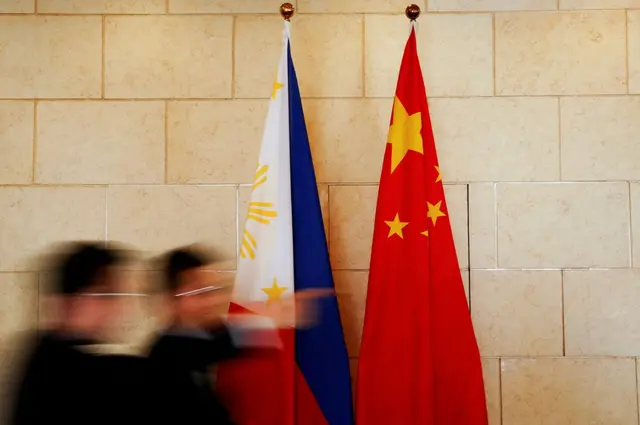
The Philippines Heeds Warning to Curb Anti-China Rhetoric Amongst its Officials
The Philippine Foreign Affairs Department has attempted to reduce anti-China rhetoric amongst its government representatives, following a recent warning Chinese Foreign Minister Wang Yi had made.

France Blames Iran for Cyber Sabotage. What Happens Next?
A cyberattack on supermarket fridges has become a diplomatic crisis. France says Iran is behind it, and Tehran says the claim is unfounded. But in international law, naming a culprit is only the first step, and the next ones are far less clear.
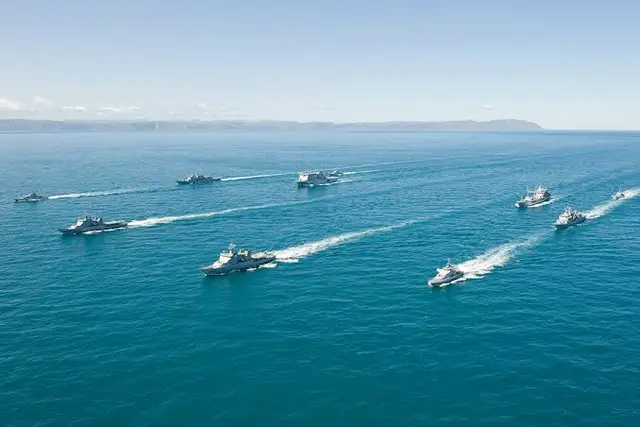
Present at Sea, Absent from the Table: Germany Renews Operation Irini
For Berlin, the renewal is a low-cost way to stay present in the Mediterranean, contributing staff and patrol aircraft, with a ship only a possibility, at a time when the Bundeswehr’s priority is NATO’s eastern flank.
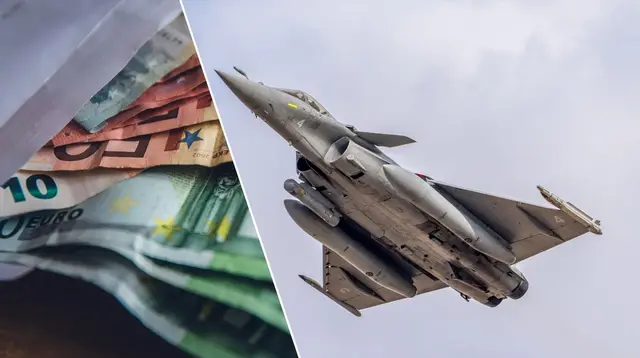
Billions for Defense, Strikes at Home: France’s Budget Dilemma
In late October, France was paying more to borrow than Greece and Italy. Now, as unions demand higher wages and more investment in public services, it is adding €36 billion to its defense budget. How long can France keep paying for both?
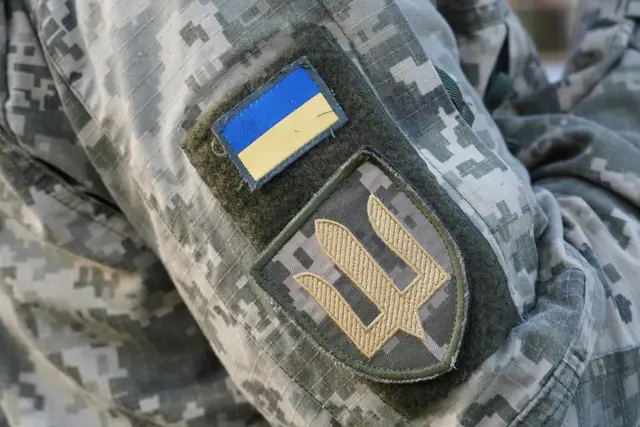
Beyond Aid: Could Ukraine Be Preparing France for War?
The scheme combines €150 million in EU guarantees and €13 million in grants to mobilize over €480 million in Bpifrance financing and establish 30 partnerships with Ukrainian defense startups, helping French firms enter Ukraine and access combat-tested innovations amid Europe’s preparations for po…
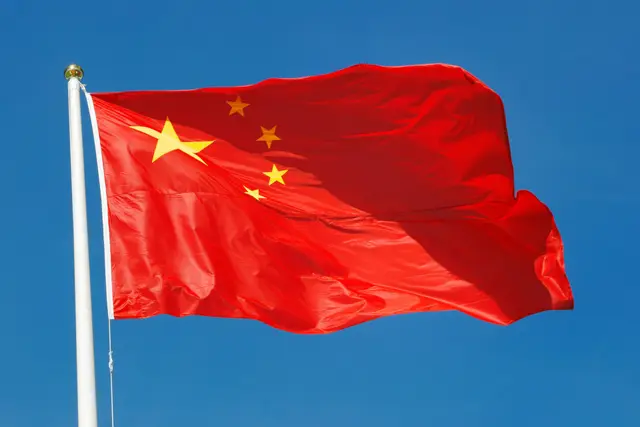
China Calls for Diplomatic Solution Following North Korea’s Latest Weapons Test
China’s position on North Korea reflects a broader challenge in its regional foreign policy. Beijing must balance its opposition to military escalation with its interest in maintaining stable relations with Pyongyang. At the same time, continued tensions give China reason to criticise US and alli…
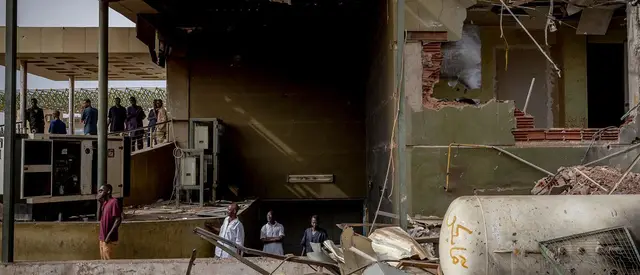
What can local actors do to prevent the Sudan war from spreading over into its neighbours?
When addressing the idea of supporting local actors such as community leaders and mediators, it is important to also understand that to try to save more lives, local initiatives would also strongly depend on the support of state authorities and organisations in Sudan and its wider region