

European Defence
/Read the full issue
Linguistic Human Rights – A Form of Decolonial Resistance?
This article argues that linguistic human rights (LHR) should be recognised as a central component of the contemporary human rights regime and as a tool to challenge prevailing colonial hierarchies in language and human rights politics. Drawing on Spolsky’s language policy model, the article exam…
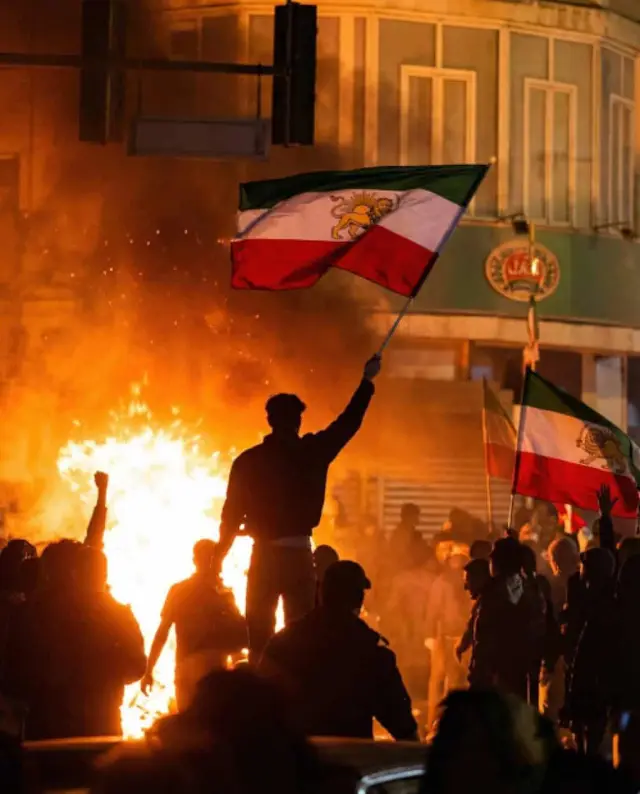
Iran Protests: Human Rights Violations, Repression and Global Response
Iran’s latest protests (Dec 2025–Jan 2026), sparked by economic hardship, grew into historic anti-government demonstrations across all 31 provinces. Authorities imposed near-total internet blackouts and used severe force, killing an estimated 6,000 to 20,000 people and making over 42,000 arrests.…

Heritage Restitution and the Future of Ibero-American Relations
The cases of Portugal and Spain expose the ambivalence of ‘shared heritage’. Although cultural heritage can support cooperation and diplomatic rapprochement, this notion may obscure the unequal historical circumstances through which objects entered European collections. Restitution can therefore …

Beyond Borders, Beyond Treaties: The EU–Mexico Struggle Against Transnational Drug Trafficking
EU–Mexico cooperation has strengthened cross-border efforts against drug trafficking, but legal fragmentation, institutional differences, and human-rights concerns continue to limit its effectiveness.
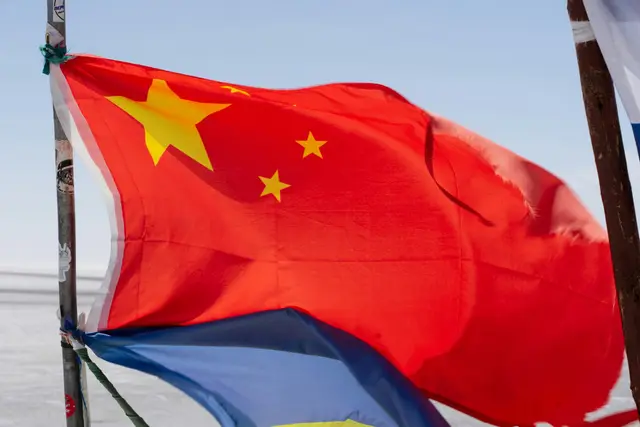
UN Peacekeeping as a Site of Contestation: China and the Reshaping of the Global Order
This brief examines China’s evolving role within UN peacekeeping as a window into the emerging multipolar order. Rather than outright rejection, China engages in contested multilateralism—selectively challenging liberal priorities, conditionality, and interventionism from within. By championing s…

China’s Reactions to US Belligerence under Trump
How has China responded to recent U.S. actions in Greenland, Venezuela, and Iran? This article argues that rather than expanding through coercion, China has sought to project itself as a defender of diplomacy and peace, despite the opportunities created by global instability.
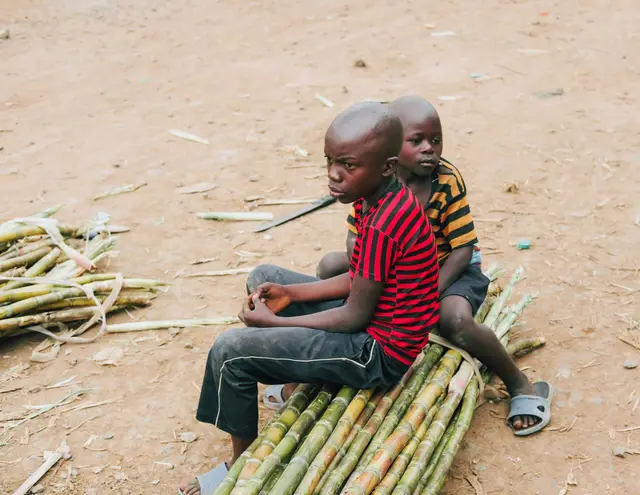
Child Recruitment in the DRC: MONUSCO and the Structural Legal Limitations of UN Peacekeeping
MONUSCO’s structural limitations lie less in gaps of internal doctrine but more in a fundamental mismatch between the tools available to a peacekeeping mission and a conflict environment increasingly driven by non-state actors operating beyond the practical reach of those tools.
Beyond Traditional Peacekeeping: NATO’s Inclusive Security Agendas in Iraq
How are military alliances adapting to today’s complex conflicts? Using NATO Mission Iraq as a case study, this article explores how Women, Peace and Security and Human Security are reshaping peacekeeping through more inclusive and resilient approaches.

Cyberattacks on EU Critical Infrastructure
Which EU critical infrastructure sectors face the greatest cyber risk, and which threat modalities are most active? The EU threat environment is bifurcated: high-volume DDoS/hacktivism pressures availability, while lower-volume intrusions cause high-consequence outcomes like ransomware and data t…

Hybrid Security Regimes in Practice
Hybrid security regimes are deliberate political strategies that expand state influence through flexible, state-aligned networks rather than relying solely on formal institutions.

The IDSF on security challenges in the Middle East
According to IDSF, Israel’s security relies on national resilience, technological innovation, and regional partnerships, while deradicalization remains essential for long-term Middle East stability.
From Medicine to Military Tech
From Medicine to Military Tech A Founder’s Journey Himmel: Dr. Andres, you are a doctor, and now you sell optics and advocate for the idea that “defence is a human right.” How did that come about? Dr. Andres: Well, I didn’t start directly in the defence sector. During my studies, I had a PDA, som…
The Digital Geoeconomics of Great Power Competition.
How do central banks and digital currencies, particularly the Digital Euro, shape geoeconomic competition and European integration? CBDCs have become tools of geoeconomic power, intensifying US–China rivalry and enabling states to reduce dependency and gain control over financial infrastructures.…

Bridging the Gap
1. The interview explores why transatlantic security often overlooks local and state leaders. 2. Joshua Burgin argues that strong personal networks between local leaders are essential for effective security cooperation. 3. The article concludes that stronger local-level transatlantic ties improve…
EU Enlargement and EP Seat Allocation Reform
Main question: How can the EU reform seat allocation in the European Parliament to integrate new candidate states without breaking the 750-mandate cap or causing political imbalance? Argument: The EU should implement a transparent formula combining a base quota, demographic sizing, and GDP per ca…
Iceland’s Path to EU Membership
Main question: How can Iceland and the EU structure an enlargement framework that reconciles economic sovereignty concerns with shifting Arctic security realities? Argument: The EU and Iceland should implement a coordinated five-step accession package spanning fisheries, energy, agriculture, defe…
Rethinking Enlargement for a New Age of the EU
The article argues that the EU should adopt a dual-track enlargement model, enabling candidate states to join sector-specific policies before full membership while preserving constitutional safeguards.
Constitutional Identity in EU Membership
Main question: How can the EU ensure candidate states align with its core values when accession mainly measures legislative compliance rather than constitutional culture? Argument: The EU should introduce a Constitutional Identity Convergence Assessment (CICA) to evaluate candidates’ highest cour…

What is Anarchy and can we overcome it?
[EPIS Basic Contribution]
The Mutual Industrial Resilience Program
How can the EU overcome structural vulnerabilities while reforming its slow, politically driven enlargement? The EU must deploy the €30B Industrial Resilience Facility and an EIB-backed 70% political risk insurance mechanism to embed candidates into European energy, technology, and manufacturing …