
© 2026 EPIS · Independent · Non-partisan · Funded by the EPIS FellowsLegal Notice · Privacy Policy · · RSS
The EPIS Thinktank for Foreign Affairs & Security Policy unites actively publishing Research Fellows — making it an optimal platform for Political Science students. Through Working, Report, and Format Groups, it sets publication standards, conducts peer reviews, and ensures timely, high-quality output.

Recent attack creates a unique opportunity for NATO and its regional allies finally to establish themselves as the sole dominant force against the heavily constrained russian state, which had used the Baltic Sea region…

The recent Tri talk among US, Russia and China brings out an alliance against international law but with their common interests.

Russia tends to spread their AI tricks to weaken the opponents if not to win yet in the Russia- Ukraine war. This can be low cost and…
Iran’s offer is a blockade-driven signal more than a project. Its quieter effect is to offer Armenia an alternative to Azerbaijani fuel,…
AI policy shift without substance: Trump announced “joint guardrails” on AI with Xi, a notable reversal, yet provided no details, timetable…
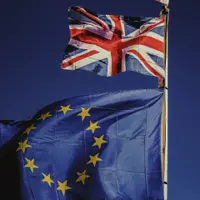
Amid an increasingly polarised geopolitical landscape, the EU and UK signed a new deal, marking a turn in relations. While the agreements…
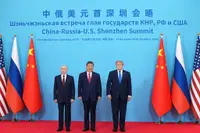
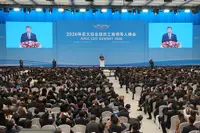
The Shenzhen summit highlights China’s ambition to shape a sovereignty-centred international order. While promoting cooperation and…
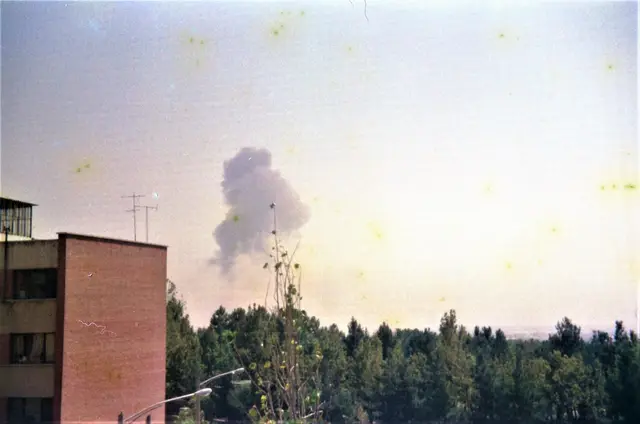
Tehran gave up an exposed revenue stream to protect two things it values more: the ground, and the precedent that Baghdad’s authority over…
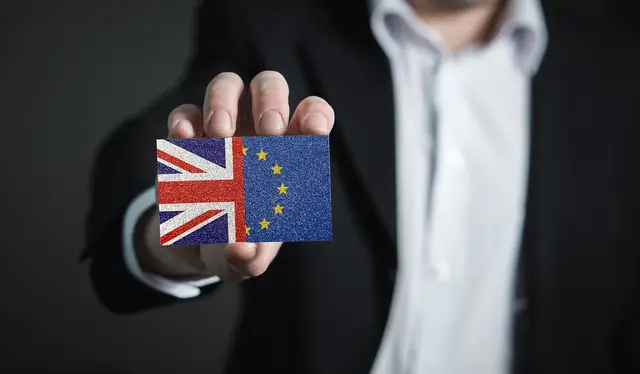
The China Condition: Paris and Brussels insist that British access to ‘Made in Europe’ supply chains requires aligning with EU…

Germany has made its legal exposure depend on a Gaza case in which it chose to have no voice. Meanwhile, the broader reading of genocidal…
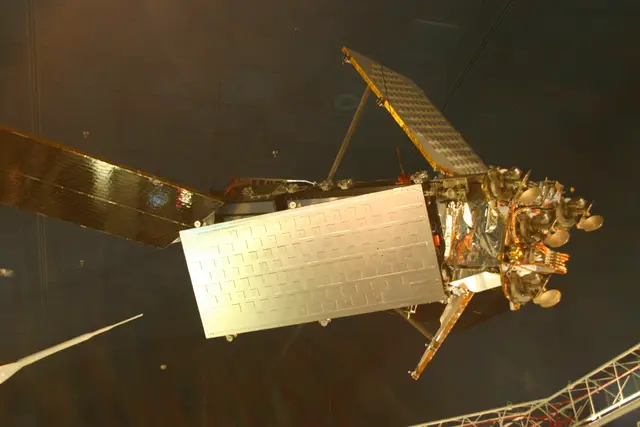
PODS is years from being a weapon, but the damage to Berlin’s standing on space arms control starts now, as the industry is filling a gap…
Colombia’s 2026 presidential election marks a shift from negotiation-centred peacebuilding towards a more…

A breach at La Poste’s subsidiary Maileva potentially exposed the data of 22 million people, nearly one in three in…

By backing Iran’s demand for guarantees, Russia and China are offering themselves as its guarantors, turning a…
China is seeking to position itself as a defender of free trade and multilateralism amid growing US protectionism,…
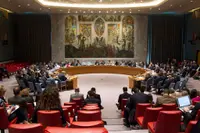
European security architecture is the system of alliances, treaties, and institutions, like NATO and the EU’s defense…
Not just the protection of Ukraine but guarantees of its security and economic recovery will be discussed in the…

U.S. securitization and trade leverage have transformed North American border governance into a permanent state of…

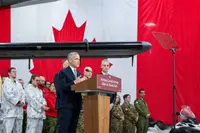
Canada’s new Arctic Strategy represents a path to greater strategic autonomy through unlocking its Far North’s vast…
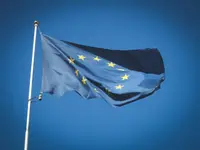
The next seven-year EU budget (2028–2034) needs all 27 governments to agree, so any one of them can block it. Countries…

Iran’s threat to treat Gulf civilian infrastructure as “dual-use” is meant to deter, but it validates its adversaries’…
Specialised teams focusing on different world regions, publishing monthly briefs on current political developments and providing in-depth analysis of regional and global contexts.
Cross-regional groups organised around policy domains — from AI and cybersecurity to human rights — publishing monthly reports that connect experts with comparable interests across geographies.
Dynamic platforms fostering knowledge exchange and critical discussions on global issues through five distinct publication formats.
In-depth policy analysis and long-form research from EPIS Fellows. The flagship publication of the Thinktank.
Short-form commentary on current affairs and political developments — rapid, sharp, and timely.
Concise expert conversations on pressing international questions, structured around ten key themes.
Accessible introductions to foreign policy concepts designed for new fellows entering the field.
Academic-standard papers submitted to peer-review processes and maintained to scholarly citation norms.
Focus on critical global issues by region, providing in-depth analyses and policy recommendations addressing climate policy, human rights, international relations, and security.
Focus on critical global issues by policy domain, producing long-form analyses each semester across climate policy, human rights, international relations, and security.
Apply for EPIS Fellowship to gain access to working groups, peer review processes, and publication in the EPIS Magazine and beyond.